God’s Kindness at Christmas
The celebration of Christmas, at its core, is a global acknowledgment of a central tenet in Christian theology: the profound and unmerited kindness of God toward humanity. It is an annual moment of reflection centred on the Nativity, the story of God choosing to enter the human story in the most humble and vulnerable way possible—as a baby born in a manger.
This event is interpreted by believers not just as a historical moment, but as the ultimate demonstration of divine benevolence and love, love, a profound act of grace extended to the entire world. Humanity, according to Christian belief, was separated from a holy God by sin and imperfection. Christmas signifies the deliberate dismantling of that barrier. God’s kindness is demonstrated by the willingness of the Divine to bridge the infinite chasm between Creator and created.
This presence validates the human experience. It suggests that God cares enough about the world—its joys, its sufferings, and its complexities—to personally participate in it. The Nativity scene is a powerful symbol of identification, showing a God who chose a lowly birth among shepherds and livestock rather than a royal palace, illustrating a kindness that favours the marginalised and the meek.
A Unified Ethic of Care
God’s kindness at Christmas is meant to be mirrored in human behaviour. We can extend kindness in two directions. Our existence is fundamentally interdependent. We are interconnected with our fellow human beings through shared societies and mutual needs, and we are connected to the natural world through the ecological systems that sustain all life. To show kindness to both people and nature is therefore not to engage in two separate moral projects, but rather to participate in a single, unified ethic of care that recognises the inherent value and mutual necessity of both spheres.
The two forms of kindness—to people and to nature—are intrinsically linked, forming a double helix of moral responsibility. Environmental degradation disproportionately affects the most vulnerable human populations. A factory that pollutes a river is simultaneously harming the local ecosystem and the people who rely on that water for life. Climate change impacts global food security and drives mass migration, creating human suffering on an enormous scale.
Therefore, an ethic of true kindness must be holistic. We cannot claim to love humanity while simultaneously destroying the planet that sustains it. Conversely, ecological efforts that disregard human rights or social justice are incomplete. The fight for environmental justice is a fight for social justice.
Kindness to People
Kindness among people forms the necessary bedrock of any functional society. It is the social glue that transforms a collection of individuals into a supportive community. Acts of kindness—from a moment of active listening to advocating for justice and equity—validate the experiences of others, alleviate suffering, and build trust.
In the contemporary world, where polarisation and isolation are common ailments, practicing empathy and kindness becomes a revolutionary act. It means choosing collaboration over competition, understanding over judgment, and compassion over apathy. A society built on these principles is not merely more pleasant; it is more resilient, fair, and just.
When we extend kindness to one another, we affirm our shared humanity and create social environments where every individual can thrive. This ethic demands we address systemic inequalities with the same fervour as we address interpersonal slights, ensuring our kindness is comprehensive and impactful.
Jacinda Ardern has recently brought “kinder leadership” into the global spotlight, presenting a powerful counter-narrative to traditional models of power. This style, characterised by a potent blend of empathy, compassion, vulnerability, inclusivity and decisive crisis management, challenges the historical assumption that effective leadership requires toughness and emotional distance.
The Christmas story inspires countless acts of charity, goodwill, and community service globally every year. The season inherently fosters a spirit of generosity, empathy, and a temporary pause in daily self-interest.
The act of gift-giving at Christmas is a direct reflection of the belief that God gave the ultimate gift of the Son to the world. In emulating this generosity, individuals are called to look beyond their own needs and extend a hand to others, embodying the divine kindness they celebrate. This shared spirit of giving transcends religious boundaries, creating a secular atmosphere of peace and community caring that pervades the holiday season.
Kindness is not something that demands hard work or huge amounts of time. It’s something all of us can strive to achieve every day. And, knowing that the power of kindness and its benefits are immense for ourselves and not just the receiver, why wouldn’t you want to help others more?
Kindness to Nature
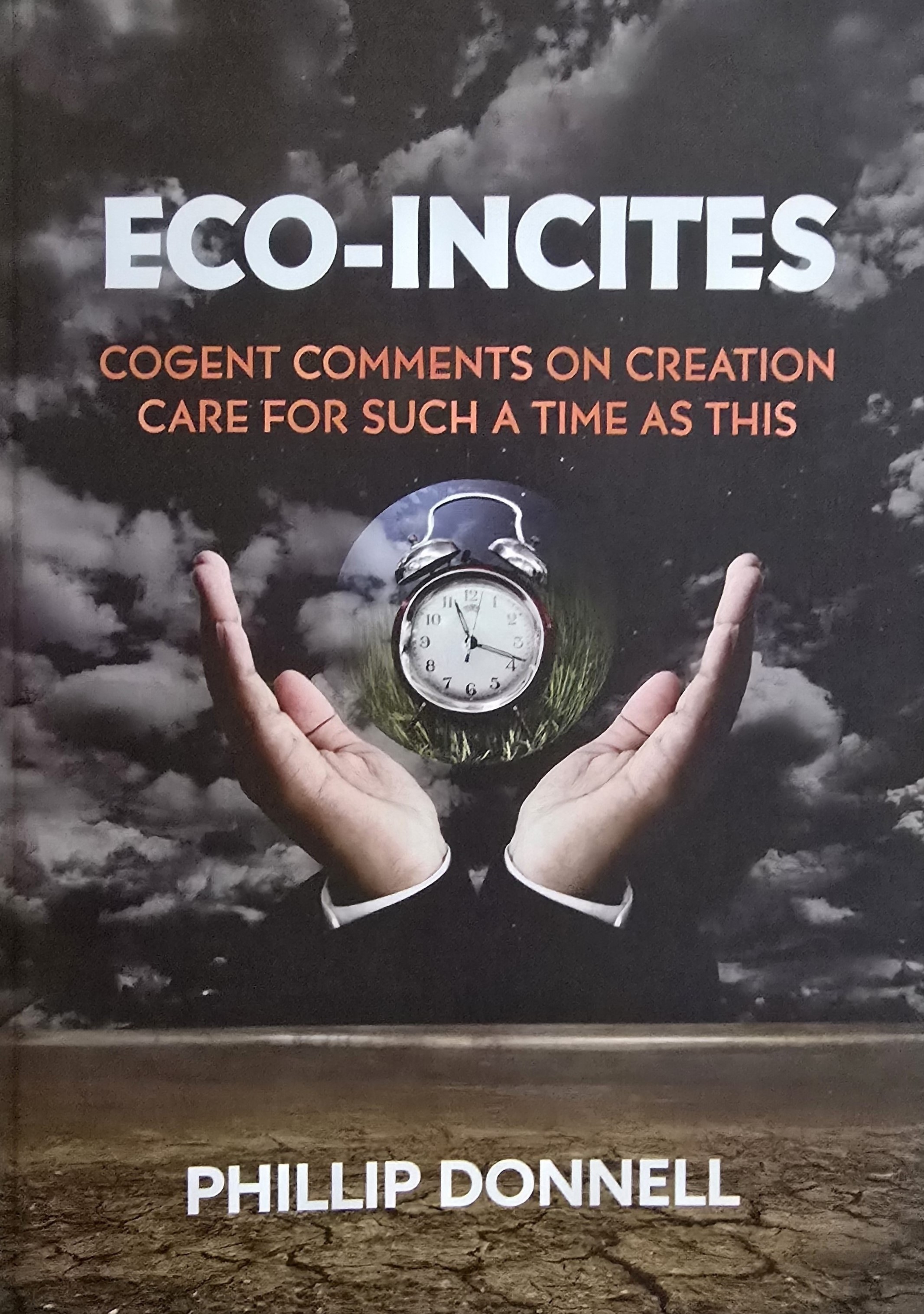
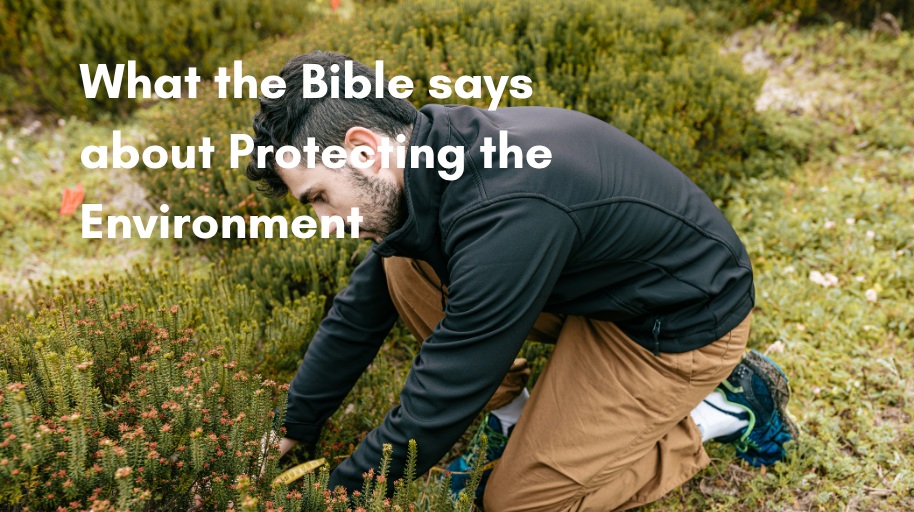
Simultaneously, Christmas invites us to confront our relationship with the environment. Planet Earth is not merely a collection of resources for human consumption; it is a complex, living system that supports our very existence. The air we breathe, the water we drink, and the climate stability we rely upon are “ecosystem services” that we frequently take for granted.
Showing kindness to nature means moving beyond the paradigm of exploitation and embracing stewardship. It requires conscious decisions to minimise our footprint: reducing waste, conserving energy, supporting sustainable practices, and protecting biodiversity. The current environmental crisis—climate change, pollution, and mass extinction—stems directly from a lack of kindness and foresight in our interaction with the natural world. Our collective failure to act kindly toward the environment is an act of unkindness toward ourselves and all future generations who will inherit the consequences of our neglect.
Conclusion
As believers in Jesus, we are called to “clothe (our)selves in kindness” (Colossians 3:12). In fact, in whatever we do or say, we’re to do it as “a representative of the Lord Jesus Christ” (v.17 NLT). Along with kindness, we’re also to embody the characteristics of “compassion…humility, gentleness and patience” (v.12). This fruit of the Spirit (Galatians 5:22-23) grows in us because we have the Spirit dwelling within; and this fruit is evidenced by God’s love for us flowing out – binding all these virtues “together in perfect unity” (Colossian 3:14)
Ultimately, Christmas posits that kindness is not merely a human virtue but a divine attribute, one that offers the world a constant promise of presence and peace. The angels’ proclamation of “peace on earth and goodwill toward men” during the birth narrative speaks to a kindness that desires a holistic well-being—shalom—for the entire planet and all its inhabitants.
Let’s make it a kinder kind of Christmas this year – and into the year ahead.
©Phillip Donnell December 2025