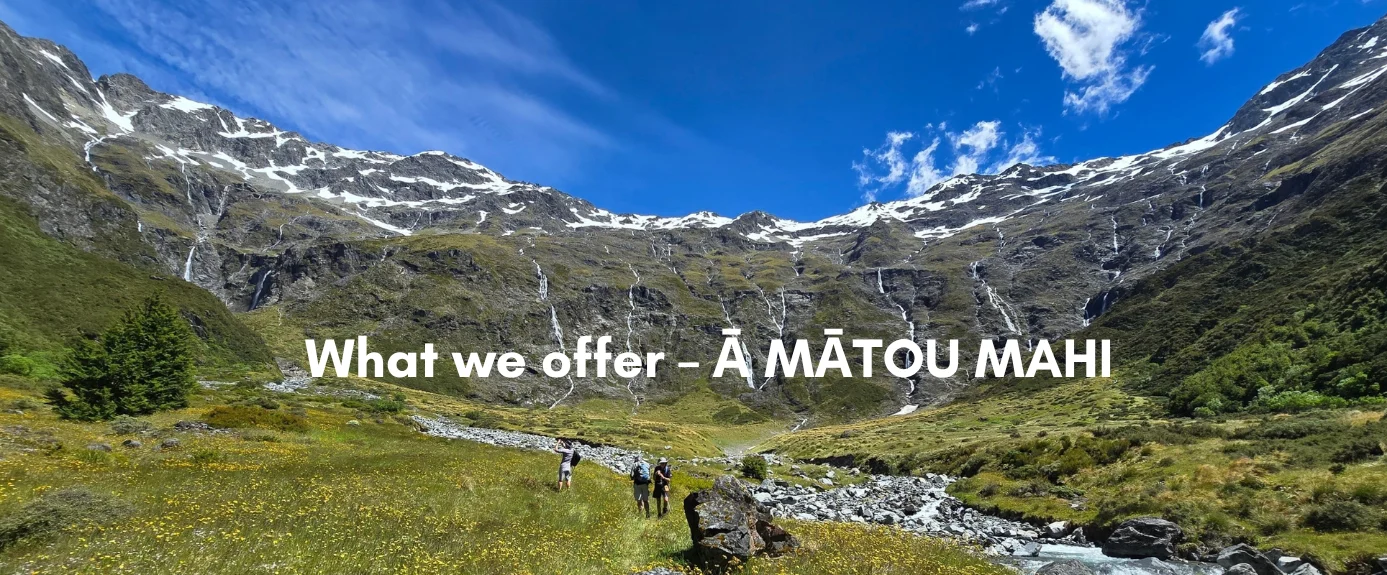
“…a problem exists as real and meaningful as a sinking ship with billions of people on board. The earth is our ship, an ark for everything that lives. It is the only vessel available to carry humans through the ocean of space, and it is rapidly becoming unseaworthy.”
— Matthew Sleeth, Serve God, Save The Planet: A Call to Christian Action, 2006, page 16
The environment is likely to be the defining issue of the 21st century. How should Christians respond?
Conversation Cafés

A Conversation Café is a structured, hosted dialogue method designed to shift public discourse from simple small talk to meaningful, deep conversations about complex or sensitive themes. Typically gathering in small circles of four to eight people in a relaxed public setting, participants follow six core agreements—such as suspending judgment, listening to understand rather than persuade, and speaking with brevity.
The process is anchored by a “talking object” or stone, which dictates who has the floor to prevent interruptions and ensure equal participation. The dialogue unfolds across four distinct rounds: starting with initial individual thoughts, moving to responses based on what was heard, transitioning into an open free dialogue with the object placed in the centre, and concluding with a final round where everyone shares their primary takeaway.
Ultimately, the goal of a Conversation Café is not to reach a consensus or formal decision, but rather to foster mutual understanding and broaden perspectives.
Here are some themes/topics/conversation starters that we have enjoyed at past Conversation Cafes, all tailored to creation and creation care from a Christian perspective, and designed to foster deep reflection and shared stewardship:
📖 Theology & Identity
- Imago Dei and Stewardship: What does it mean to be made in the image of God while being tasked to “rule over” and care for the Earth?
- The “Very Good” Creation: Genesis describes the finished creation as “very good.” Where do you still see glimpses of that original goodness in the world today?
- Creatures Alongside Us: How does our relationship with the environment change when we view ourselves as fellow creatures rather than just consumers of the Earth?
- Redemption of All Things: Colossians 1:20 speaks of Christ reconciling all things to Himself. What does it look like for the Church to participate in the healing of the physical world?
🌱 Daily Life & Practical Stewardship
- Simple Living and Sabbath: How can practicing a true Sabbath rest or choosing a simpler lifestyle protect both our souls and God’s creation?
- The Cost of Convenience: Where do you find the biggest tension between modern convenience and honouring God’s creation in your daily habits?
- Food and Fellowship: How can our choices around what we eat and buy become an act of worship and gratitude to the Creator?
- Local Ecologies: If your local neighbourhood or church property was a garden, how well are we tending to the specific patch of Earth God has placed us in?
🌍 Justice, Hope & The Future
- Loving Our Neighbours: Environmental degradation often impacts the most vulnerable first. How is creation care directly tied to the biblical command to love our neighbours and seek justice?
- Cultivating Hope Amid Anxiety: In a culture filled with eco-anxiety, how does the Christian hope of a renewed heaven and earth change the way we approach environmental crises?
- Lamenting Loss: What does it look like to practice biblical lament for the parts of God’s creation that have been damaged or lost?
- Passing on the Garden: What is the most important spiritual lesson about nature that we need to pass down to the next generation of believers?
Contemplative Walks
Reconnecting with the Creator through His Creation
A contemplative walk is a guided, intentional practice of slowing down to encounter God through the natural world. Unlike a fitness hike or an informational nature tour, it is a spiritual journey of presence. Rooted in the Christian tradition of creation care, these walks invite us to look at the environment not as a resource to use, but as a sacred canvas reflecting the glory, love, and character of the Creator.
The Aims of the Journey
- Deepen Spiritual Intimacy: Move from talking about God to experiencing His presence alive in the world around us.
- Foster Creation Care: Cultivate a deep theological love for the earth, leading to a natural desire to protect and cherish it.
- Restore Soul and Mind: Quiet the noise of daily life to find rest, clarity, and renewal in God’s peaceful design.
What Happens on a Walk?
Each walk is led by a trained facilitator who holds space for the group and offers gentle guidance along the way. Rather than a continuous hike, the experience is broken into intentional movements:
- Opening Invitation: The facilitator gathers the group to ground the walk in Scripture or prayer, setting a shared spiritual intention.
- Silent Exploration: Participants walk in reflective silence, using their physical senses to tune into the living world.
- Focused Attention: Depending on the specific location, the facilitator may anchor the walk around a particular natural phenomenon—such as the rhythm of water, the intricate beauty of flora and fauna, the grounded strength of trees, or the presence of local animals.
- Sacred Sharing: The walk concludes with a brief, optional time to gather, share what God revealed through the landscape, and close in community prayer.
Come step away from the rush, open your senses, and learn to read the “Book of Nature” alongside the Word of God.
Camps

Stepping away from daily routines to attend a creation care camp in a natural setting offers a profound opportunity to deepen your faith, unplug from digital distractions, and foster a hands-on connection with the environment.
Immersing yourself in the wilderness transforms environmental stewardship from an abstract concept into a lived reality, allowing you to see firsthand the intricate beauty and fragility of the natural world.
This intentional getaway provides a peaceful space for personal reflection, community building with like-minded peers, and a renewed commitment to sustainability. Ultimately, you return home not just spiritually refreshed, but uniquely equipped with practical skills to actively honour and protect the planet.
These are a great way to draw a group aside in order to combine a range of what NCNZ offers in a focussed programme without distractions:
- receive teaching about creation care (talks, seminars, etc)
- discuss creation care with others (conversation cafes)
- learn practical skills for creation care (workshops)
- engage in hands-on creation care (e.g. weeding, planting, garbage collection)
- enjoy outdoor activities (e.g. walks – contemplative or otherwise!)
Some churches have used them as a launching pad for their pursuit of creation care, identifying enthusiasts who can be part of a team to lead the church’s creation care ministry.
Retreats
In a Christian context, a creation-focused retreat is a purposeful time set apart to encounter God through the beauty and rhythm of the natural world. Led by a skilled facilitator who guides the experience, the primary aim of this retreat is to deepen participants’ spiritual lives by fostering a profound connection between faith, scripture, and environmental stewardship, or creation care.
Away from the distractions of daily life, participants engage in reflective activities such as guided nature walks, silent meditation outdoors, group prayers, and theological studies centred on ecological responsibility.
By stepping into this intentional space, individuals experience spiritual renewal, a restored sense of peace, and a clearer understanding of their biblical call to love and protect the Earth, leaving them equipped with practical ways to live out their faith sustainably.
POSSIBLE THEMES
Here are comprehensive theme concepts for a creation care Christian retreat, grouped by their primary spiritual focus:
Eco-Theological Themes
- Stewards of the Garden: Rooted in Genesis, this theme focuses on the biblical mandate to “cultivate and keep” the Earth, moving from ownership to active guardianship.
- The Voice of Creation: Drawing from Psalm 19 and Romans 1, this concept explores how nature speaks of God’s glory and how participants can learn to listen to the “First Bible.”
- Restoration and Reconciliation: Centred on Colossians 1:20, this theme addresses healing the broken relationships between humans, God, and the environment.
Contemplative & Rhythmic Themes
- The Sacred Rhythm of Sabbath: Focuses on the natural cycles of rest and renewal built into creation, encouraging participants to unplug and realign with God’s pace.
- Wilderness Spirituality: Explores the biblical tradition of the wilderness as a place of testing, intense encounter, and spiritual transformation (drawing on Elijah, Moses, and Jesus).
- Rooted and Grounded: Based on Psalm 1 and Ephesians 3:17, this theme uses the imagery of trees, soil, and deep roots to cultivate emotional stability and spiritual depth.
Action & Advocacy Themes
- An Eco-Friendly Lifestyle (Living Lightly): A practical theme focused on lifestyle transformation, reducing footprints, and integrating ecological awareness into daily Christian worship.
- Climate Hope and Resilience: Designed for groups facing eco-anxiety, focusing on Christian hope, lament, and finding the courage to act in the face of environmental crises.
Seminars and Workshops
These workshops include teaching followed by time for discussion and questions. Choose just one or string 2–3 together for a full-day, half-day or evening. Ideal for training courses, church retreats, and camps!
- An Ecological Crisis?
(explores the current situation in New Zealand and/or around the world) - Why On Earth Should We Care?
(explores the biblical basis/mandate for looking after what God had made, and why this planet matters to God) - Objections, Excuses and Eco-Myths
(addresses the reasons commonly given by Christians to avoid creation care) - A Christian Response to Climate Change
(sorts fact from fiction, delineates the extent and impact, explores how Christians might respond) - The Future of Planet Earth: Renewed or Replaced?
(explores the obliteration and transformation options in the light of Scripture) - Saving Souls and Saving Seals?
(explores the scope of God’s redeeming and reconciling work through Christ and its practical implications) - Creation Care: A Matter of Morality?
(explores whether caring for creation is a moral imperative and has ethical connotations) - Nature as Spiritual Practice
(explores how delighting in the natural world can help us be attentive to God and enhance Christian life) - Creation Care as Mission
(explores how caring for creation proclaims the Good News and can be utilised by churches to impact the community and draw people towards the Creator) - Eco-friendly Living
(explores how to translate environmental stewardship from theory into practice – at both the individual and collective level) - Eco-Poetry
(explores the natural world and creation care through the inspired works of poets, including some of our own NCNZ facilitators!) - The Other Great Commission
(An exploration of Genesis 2:15 and its implications) - Agents of Liberation
(an exploration of Romans 8:19–25 and its implications)
Sermons and Talks
- 20–30 minutes of inspirational, Bible-based teaching on a creation-related theme, leading listeners to an application which is personal, practical, and specific.
- Presentations of any duration which point to the need for creation care (with or without referring to the Bible, depending on the audience).
We also facilitate contemplative walks, prayer retreats and camps, and conversation cafés.
Details
- Ages – We cater for all ages: children, young people, and adults
- Cost – All these opportunities operate on a koha basis
- Facilitators – Rev. Phillip Donnell M.A., M.Theol, Dip.Tchg., CELTA
Rev. Warren Prestidge M.A., B.D (Hons)
Dr. Wesley Webb Ph.D
Enquiries