The Bible describes the renewal of the cosmos not as a total annihilation and replacement, but as a radical transformation and restoration of the current creation to its intended, “very good” state, free from sin and its effects. This process is central to biblical eschatology (the study of final events) and is rooted in the redemptive work of Jesus Christ.
Theological Foundations
The biblical narrative begins with God’s intentional and joyful creation of an orderly cosmos out of initial chaos (Genesis 1). This original harmony was broken by human sin, introducing moral and physical chaos, pain, suffering, and death into the world. The creation itself became subject to frustration and decay (Romans 8:19-22). The theme of the Bible, from Genesis to Revelation, is God’s ongoing work to restore order from this chaos.
The Process of Cosmic Renewal
The renewal is accomplished through several key phases and concepts:
- Redemption through Christ: The renewal of the cosmos is intrinsically linked to the person and work of Jesus Christ. His life, death on the cross, and resurrection initiated the “new creation” (Galatians 6:15), breaking the power of sin and death.
- The Role of the Spirit: The Holy Spirit is the agent of renewal, both in individual lives (Ephesians 4:22-24) and in the broader creation.
- A “New Heavens and New Earth”: This phrase, found in Isaiah 65:17, 2 Peter 3:13, and Revelation 21:1, is the central promise of cosmic renewal. It signifies a place where God’s dwelling is permanently with humanity, and all effects of the curse are removed (Revelation 21:4; 22:3).
- Transformation, Not Annihilation: While some verses speak of the heavens and earth “passing away” or being “destroyed by fire” (2 Peter 3:10-12), many theologians interpret this language as a refining or transformative destruction that leads to renewal, similar to how the Genesis flood did not annihilate the earth but cleansed it. The physical creation will be transformed into a glorified state, much like Christ’s post-resurrection body was transformed.
- The Culmination: The process culminates with Christ’s second coming and the final judgment, at which point all forms of evil, chaos (often symbolised by “the sea” in Revelation), and death are permanently defeated and removed.
The Renewed Cosmos
In the renewed cosmos, the original purpose of creation is fully realised. Key characteristics include:
- God’s Presence: The most significant aspect is the direct, uninterrupted presence of God among his people.
- Absence of Suffering: There will be no more death, mourning, crying, or pain.
- Restored Harmony: The harmonious relationships broken by the Fall (between humans, between humanity and nature, and between humanity and God) will be fully restored, returning to an Edenic state that includes the “tree of life”.
In essence, the renewal of the cosmos in the Bible is the ultimate hope that God will make “all things new,” perfectly restoring his creation to a state of peace, justice, and flourishing where his glory is fully manifest.
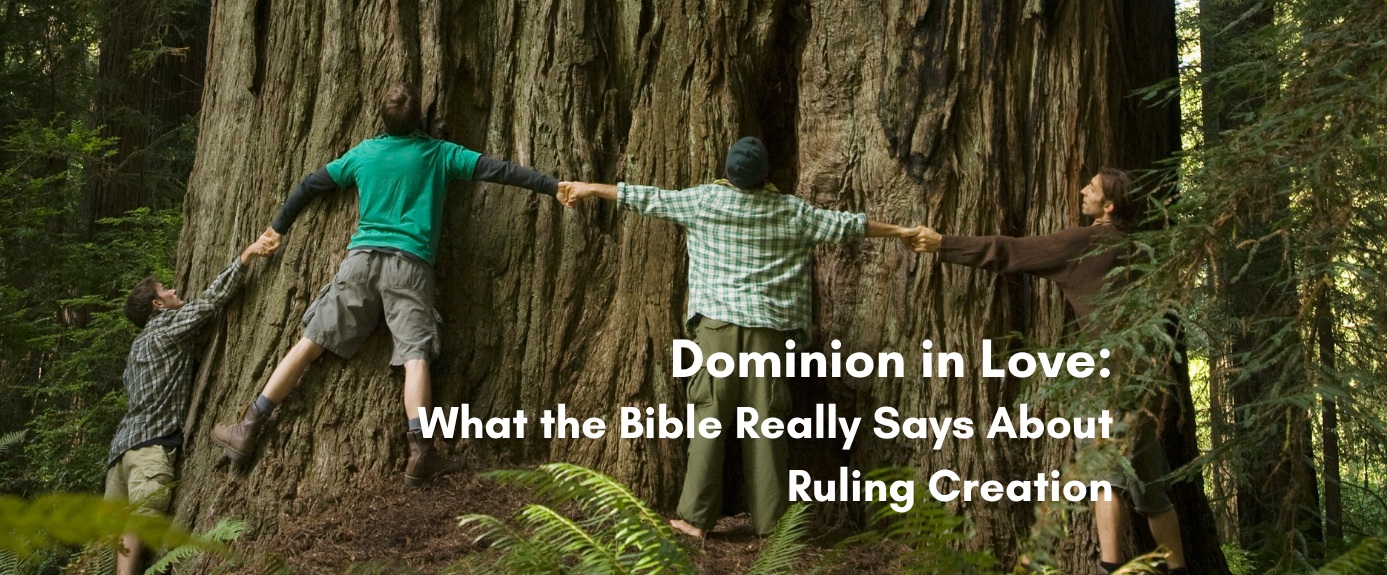
Christians should be careful stewards of the earth to bear witness to its preciousness, to the future as God has promised it, a future that contains the renewed world as well as they, renewed in body and soul, in that world.