Discover why caring for the environment is a core part of following Jesus. Explore biblical creation care and eco-discipleship in NZ.
By Phillip Donnell | Published in Church Resources
When I ask a group of leaders how they got involved in the congregation, almost all of them (80-90 percent) share how someone they were in relationship with invited them to come to church or a church event, or shared their faith by life and by lips.
When this same group is asked who they are building a relationship with outside the church the room gets very quiet indeed. They all know from their own experience what it takes to get people to church, but they are not doing it. And then they wonder why people are not coming.
10 Barriers to Church Community Engagement
In his book Engage!: A Key to Kingdom Impact (2023), Phil Maynard explores ten reasons why churches aren’t attracting people who need Jesus:
- We haven’t taught that introducing people to Jesus is part of what it means to be a disciple of Jesus.
- We have emphasised the “personal relationship with Jesus” while de-emphasising the importance of being in relationship with other believers and those outside the church.
- We celebrate what people do inside the church to support church activities rather than celebrating relationships being established and service in neighbourhoods and communities.
- We haven’t helped people learn how to have conversations with people they don’t know.
- Most churched people tend to know and engage primarily other churched people.
- We haven’t taught people how to share their stories.
- We haven’t taught people how to share the difference Jesus has made in their lives.
- We haven’t helped people understand the times in people’s lives when they are most open to hearing the Gospel message and finding the support of a faith community.
- We haven’t cast a big enough vision for how helping people discover a relationship with Jesus could impact our communities.
- We haven’t taught people how to share their faith.
The Great Commission as a Call to Go
The Great Commission (Matthew 28:18-20) is a resounding call to venture forth, to make disciples, baptise and teach. This divine mandate transcends not only the boundaries of clergy and laity but also the divide between the church and the world. It compels all believers to forge meaningful connections within their communities and beyond. A church’s mission field goes beyond its membership to include all the people God calls it to serve.
It is high time we recognised that many “unchurched” people are spiritually-inclined, but hesitant or apprehensive about attending church, so churches can no longer open their doors and expect that people will come in. We cannot expect to bring hope to the world if we are afraid to connect with those who never set foot in our church building.
Meeting People Where They Are
Effective congregations go into the world to encounter those in need of the gospel. Jesus’ first words, “Go, therefore” indicate that we are expected to go and not wait for those in need of the gospel to come to us. We cannot fulfil our calling otherwise. We must be prepared to meet people where they are. In order to influence anyone towards faith in Jesus, we need to be intentional about developing relationships with those in our wider community.
Jesus primarily engaged people through everyday encounters rather than in the temple or synagogue. He fed people, met their needs, joined in their projects, helped with their tasks, celebrated their joys, shared their sorrows, and enjoyed their company. He expressed love and compassion in big and small ways. He avoided judgementalism. We should follow his approach.
Getting the Motive Right
We must strive for meaningful engagement with others, not superficial gestures. We must make sure we are reaching out to people for the right reasons. The primary purpose is to meet people where they are and build relationships, to get to know people. We must focus first on building relationships of understanding and trust. If our motive is simply to get them to come to church, they will see right through it. Our aim is simply to get to know them. As we do, the life of Christ will be expressed through us.
It is only once a strong relationship has been formed that other ways and means of influencing them towards Jesus may be considered. No religious themes, preaching, prayers, or pressure that might turn people off or reinforce negative stereotypes about church. We must treat everyone as a person of dignity who deserves respect, extending genuine hospitality to them.
Creation Care as a Bridge for Community Outreach
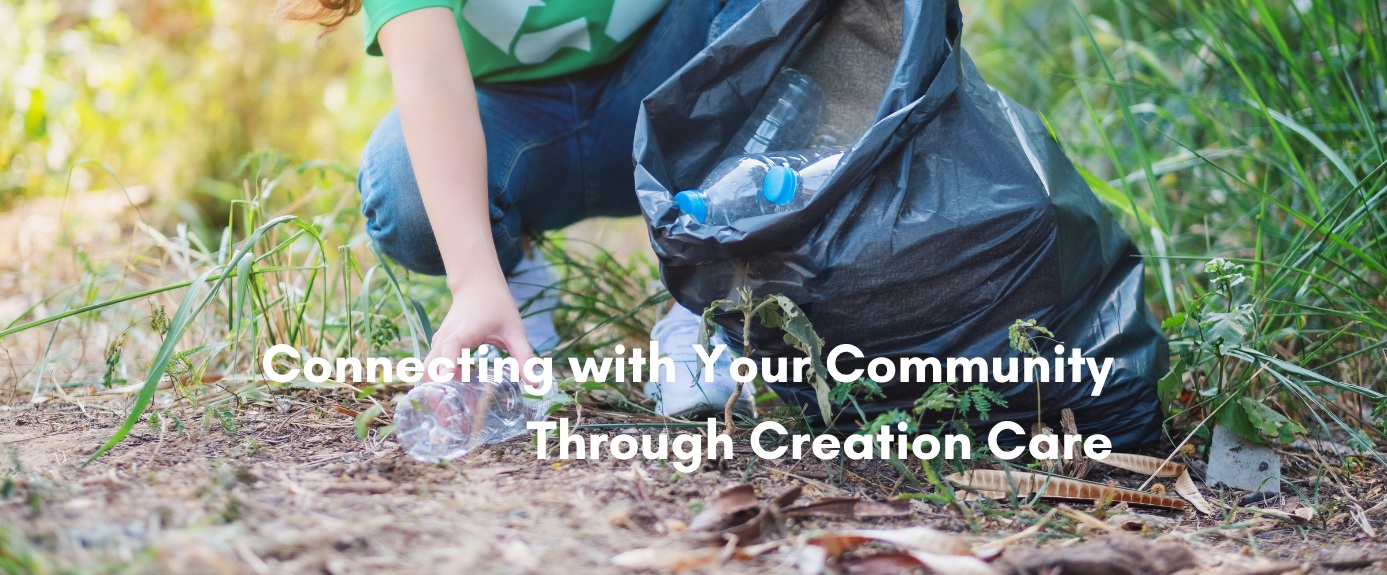
I am sometimes asked why New Creation New Zealand does not sponsor environmental projects for Christians to get involved in. The reason is that there are dozens of them already in existence – outside the church. Most are crying out for support. So here is a golden opportunity to build relationships with those in the community.
Envirohubs
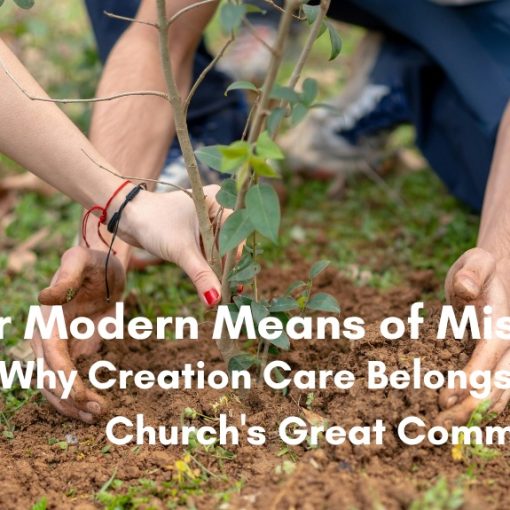
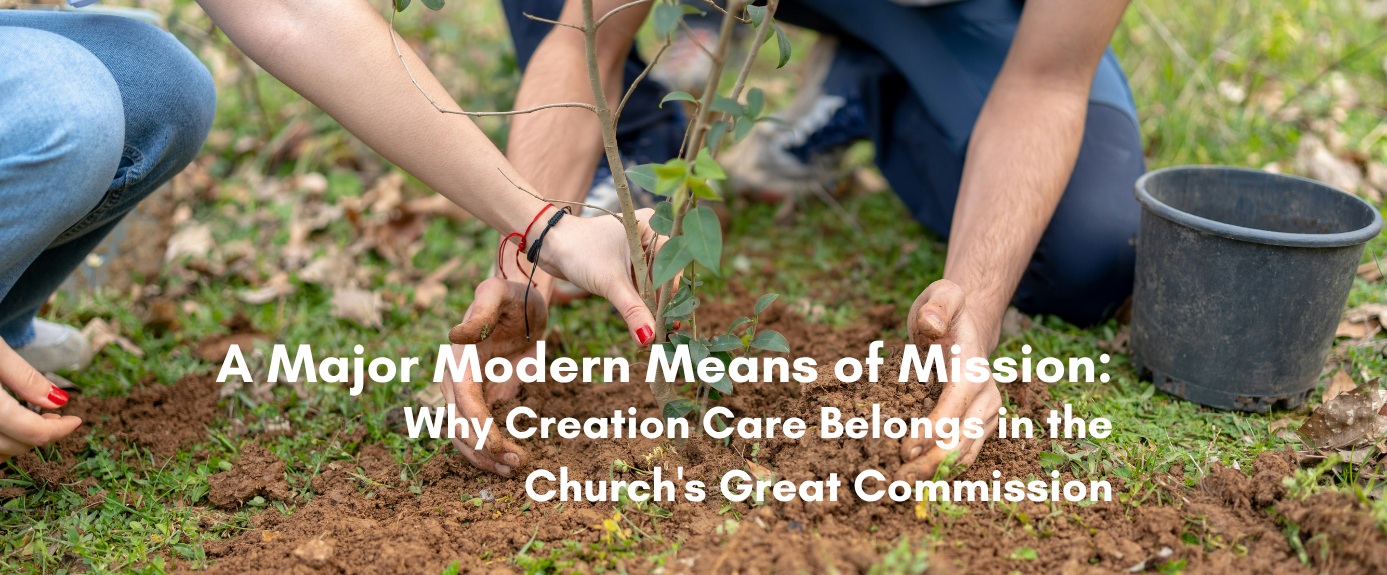
Another approach that we recommend is Envirohubs: getting a few neighbours and friends together to participate in a nearby environmental project. Such groups should include churched and unchurched participants. Relationships are strengthened as you engage together in a common endeavour: that of healing and restoring nature in the vicinity of where you live!
We do not need to reinvent the wheel if we can partner with those already passionate about protecting and restoring the natural world. We simply need to join them. In so doing we are tapping into a deepening concern and felt need within society. Ultimately, that may lead to introducing people to the Creator as the one whose agenda to “make all things new” (people and nature) is what motivates us.
A Renewed Commitment to Interconnectedness
In embracing the mandate of the Great Commission, churches must incarnationally engage with their communities, demonstrating a commitment to address needs and foster positive transformation. Through authentic connection and a renewed commitment to interconnectedness, we can fulfil our mission of spreading the hope and love of Christ.
Community engagement must be integral and not tangential, compulsory and not optional, inclusive not divisive, and with no hidden agendas. This must epitomise those called to proclaim the Good News “to the whole creation” (Mark 16:15 NRSV). Why not make creation care your church’s means to that end during 2025?
Summary
- The absence of newcomers is a lament often heard in local churches.
- This is partly because our society is less interested in organised religion.
- However, it is also due to our failure to engage with others outside the church.
- The Great Commission compels us to forge relationships with the unchurched.
- We need to be intentional about developing relationships with those in our wider community.
- Our motive must be right: it is first and foremost relationship building!
- Involvement in creation care is an excellent way to achieve this aim.
- Through authentic connection and a renewed commitment to interconnectedness, we can fulfil our mission of spreading the hope and love of Christ.
- Community engagement must be integral and not tangential, compulsory and not optional, inclusive not divisive, and with no hidden agendas.
Further reading
- Local Church Eco-Teams
- Envirohubs in New Zealand
-
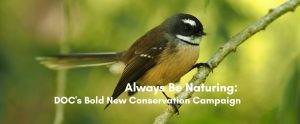
Always Be Naturing: DOC’s Bold New Conservation Campaign – DOC’s new Always Be Naturing campaign turns conservation into a daily habit — see how Kiwi Christians can take part in caring for creation.
- The Other Great Commission Resource Pack
Discover ‘The Other Great Commission’ from Genesis 2:15—a full resource pack on biblical creation care for small groups & youth.
This turnkey ministry resource pack provides everything needed to teach and practice biblical creation care rooted in Genesis 2:15. It contains a deep theological essay framing environmental stewardship as humanity’s unrescinded calling, alongside a comprehensive small group study guide, a five-day personal devotional plan, and a family discussion sheet to bridge the gap between church and home.
For active ministry use, it includes a scripted ten-minute youth message with engaging object lessons, social media promotional templates, a practical community service project blueprint, and an expert theological reading list.
Ultimately, this comprehensive package offers leaders an effortless, biblically sound roadmap to move communities from passive consumption into proactive, faith-driven stewardship.
© 2025 Phillip Donnell
Rev. Phillip Donnell, Director/Team Leader of New Creation New Zealand (NCNZ), has spent 20+ years in Christian environmental leadership. Former pastor and teacher, published author, Forest & Bird Life Member. Based in Tauranga.