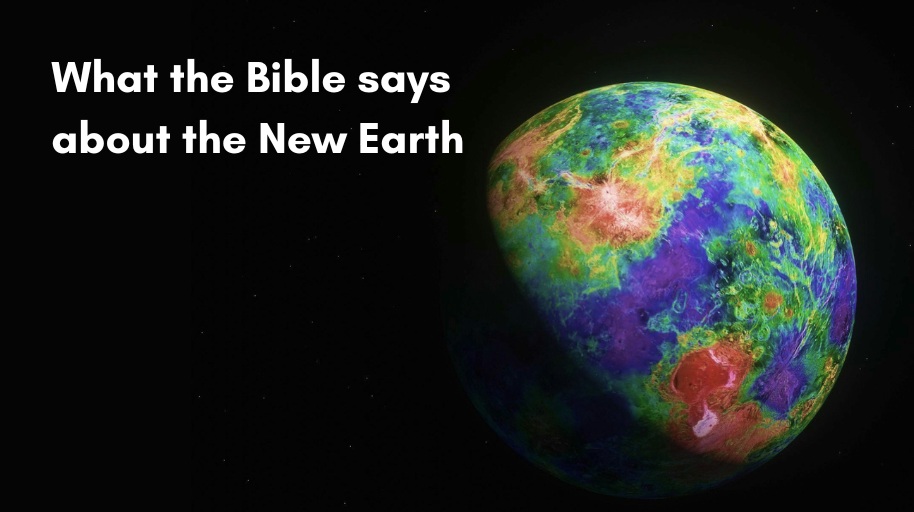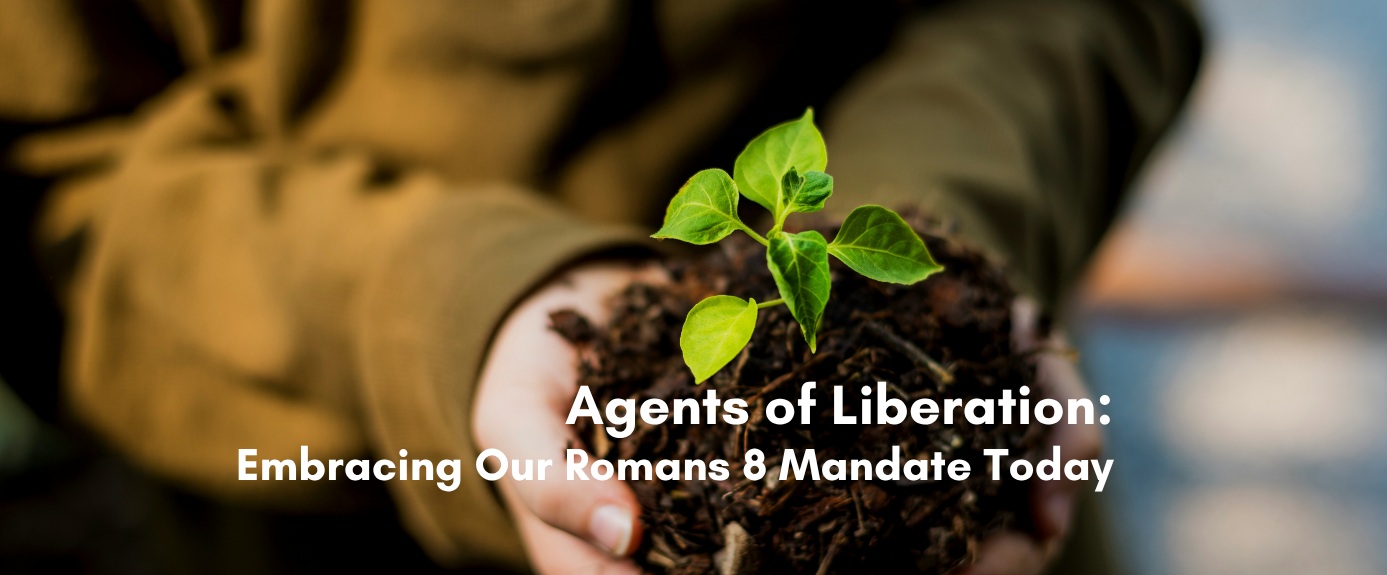
In the eighth chapter of his letter to the Romans, the Apostle Paul paints one of the most vivid and sweeping pictures of cosmic redemption in all of scripture. He describes a creation that is not a passive, disposable backdrop for human salvation, but an active participant in the grand narrative of redemption. According to Paul, the physical world is currently trapped in a state of frustration, “groaning in labour pains” as it waits under the crushing bondage of decay. Crucially, creation is not waiting for its ultimate destruction or for humanity to be evacuated to a distant, disembodied heaven. Instead, it is standing on tiptoe, eagerly longing for the “revealing of the children of God.”
This text presents a profound theological paradigm shift. It implies that when human beings are redeemed and restored to their proper role, creation itself experiences a ripple effect of liberation. Modern Christians are not called to be passive passengers waiting for a rescue ship. They are called to be “Agents of Liberation”—active partners working in the present to anticipate, signal, and manifest the ultimate renewal of the entire cosmos. Adopting and pursuing this role today requires a radical reorientation of our daily choices, our structural priorities, and our ecological ethics.
To become agents of liberation, Christians must first dismantle the deep-seated cultural myth of an escapist gospel. For generations, popular theology has whispered that the material world does not matter, that the body is a temporary cage, and that the ultimate goal of faith is to escape a burning planet. This worldview breeds deep ethical apathy. If the Earth is destined for the cosmic trash heap, there is no logical incentive to care for its soil, protect its oceans, or fight for the health of its neighbourhoods.
Romans 8 thoroughly shatters this dualism. Paul asserts that creation itself “will be set free from its bondage to decay and will obtain the freedom of the glory of the children of God.” The future is not annihilation; it is transformation. Salvation is holistic, encompassing both the human soul and the physical habitat. When Christians realise that the present Earth is the raw material for God’s future, resurrected kingdom, the mandate for environmental and social preservation becomes an urgent spiritual duty. We do not protect the planet out of a frantic, secular fear of the end of the world, but out of a deep, theological hope for its new beginning.
How does an agent of liberation operate in the concrete realities of the modern world? The answer lies in the principle of “anticipatory redemption”—acting in the present in a way that aligns with the reality of God’s promised future. If the ultimate destiny of the world is a place free from decay, pollution, injustice, and death, then every action taken today to push back against those forces is a prophetic signpost pointing toward that future.
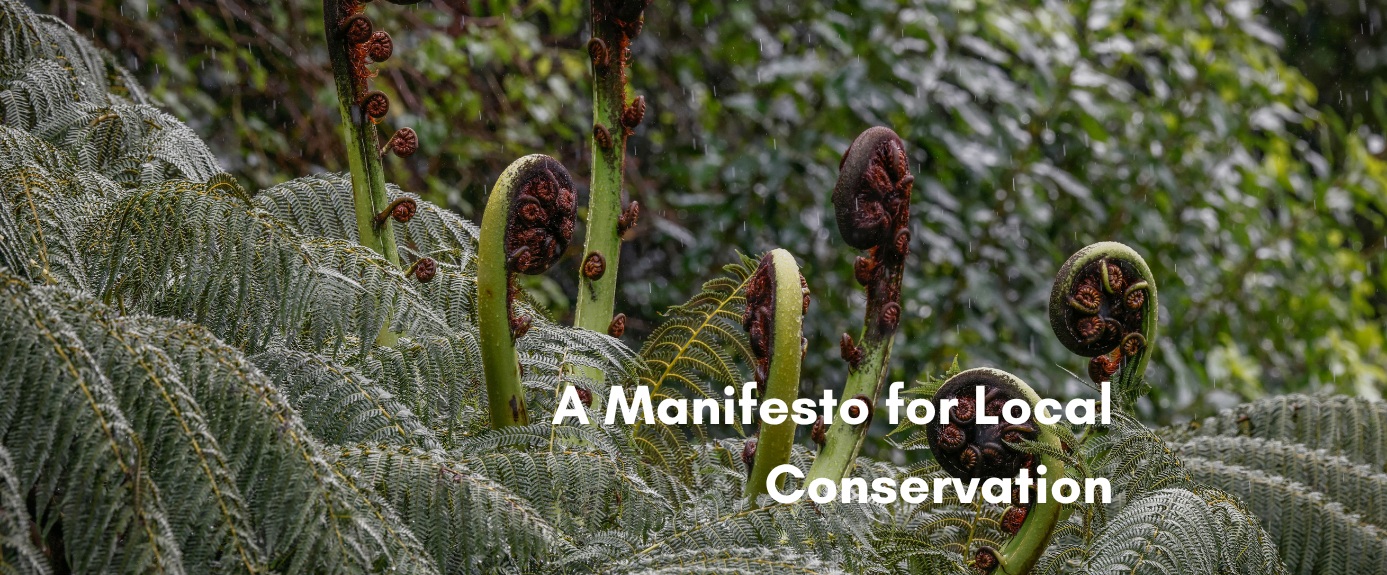
In practical terms, this means rewriting our relationship with the local environment. Agents of liberation practice radical localisation through concrete actions:
-
Bioregional Literacy: Monitoring the health of local watersheds and fighting against toxic industrial runoff.
-
Habitat Restoration: Planting community orchards and restoring native habitats that support declining pollinator populations.
-
Prophetic Action: Cleaning a polluted local river, recognizing it is not a trivial secular hobby, but a tangible act of breaking the “bondage to decay” in a specific geographic coordinate.
Every ecological choice becomes a physical declaration that this piece of dirt matters to God and has a future in His kingdom.
Furthermore, true liberation cannot separate the health of the land from the well-being of the human image-bearers who live upon it. Romans 8 links the sighing of creation directly with the groaning of humanity. In the modern global economy, human oppression and ecological degradation stem from the exact same root sin: the violent exploitation of something good for selfish, short-term gain.
Modern agents of liberation must therefore stand at the intersection of environmental stewardship and social justice. This means actively addressing structural issues:
-
Environmental Racism: Confronting the systemic reality where toxic landfills, chemical processing plants, and heavy-polluting infrastructure are disproportionately placed near low-income and marginalised communities.
-
Urban Green Spaces: Advocating for equitable green spaces in urban concrete deserts to mitigate dangerous heat-island effects.
-
Fundamental Rights: Fighting to ensure that clean air and unpolluted drinking water are protected as fundamental rights for all people, rather than commodified privileges for the wealthy.
To liberate the land, we must defend the vulnerable people who rely on it.
The groaning of creation is not a distant, abstract concept; it is heard today in the crash of collapsing ecosystems, the choking air of industrialised cities, and the quiet desperation of communities stripped of clean water. The world is waiting. It is not waiting for a political saviour, nor is it waiting for a final doomsday fire to wipe it clean. It is waiting for the followers of Christ to step into their true identity.
To be an agent of liberation is to live with a furious, defiant hope. It is to look at a broken, scarred world and refuse to give up on it. By aligning our daily habits, our political voices, and our communal efforts with the cosmic renewal promised in Romans 8, we offer the world a living preview of the resurrection. We cease to be part of the problem, and we finally become the answer to creation’s long, agonising prayer.
This article is part of the AGENTS OF LIBERATION Resource Pack which is available for free download in our Resources section.
Phillip Donnell 2026