We categorically reject the theological illusion that the physical universe is a temporary, disposable stage destined for total annihilation. For too long, the toxic rhetoric of a “doomsday escape” has excused the pillaging of our planet. We affirm that the Earth is not a sinking ship from which humanity needs to be rescued; it is the sacred raw material of God’s future, resurrected kingdom.
Because the Creator intends to purify, renew, and permanently dwell within this physical cosmos, our local environmental action is not a frantic, secular attempt to save a dying world. It is an act of anticipatory redemption. Every tree planted, every river cleaned, and every acre of soil preserved serves as a physical, living signpost pointing toward the ultimate restoration of all things. We tend to this planet today because we will live upon it tomorrow.
1. The Mandate of Radical Localisation
The Principle: Global environmental crises are won or lost in the micro-ecosystems of our immediate neighbourhoods. We cannot claim to love a global creation while ignoring our local watershed.
Actionable Directives:
- Map Your Watershed: Identify the specific path of water through your local topography and actively defend it from chemical runoff, plastic pollution, and industrial degradation.
- Cultivate Native Habitats: Eradicate invasive, destructive flora on your property or in local parks. Replace them with native species that support local pollinators and bird populations.
- Audit Local Ecosystems: Establish or participate in community-science initiatives to monitor local air, water, and soil quality, ensuring institutional accountability.
The Transformational Theology: God’s future renewal is not an abstract, generic event. It is specific, physical, and historical. By anchoring our efforts in a specific geographic location, we transform vague theological ideals into concrete, localised acts of obedience.
2. The De-Exoticisation of Daily Stewardship
The Principle: Environmental care is stripped of its romanticised, “exotic” status and woven directly into the boring, mundane rhythms of ordinary life. True stewardship is found in repetitive, quiet habits.
Actionable Directives:
- Normalise Circular Consumption: Actively transition households away from single-use plastics and linear “buy-and-throw” habits. Establish robust composting systems that return nutrients directly back to local soil.
- De-Carbonise Domestic Life: Systematically reduce energy consumption through smart insulation, a transition to renewable energy sources, and minimised reliance on fossil-fuel-powered transit.
- Practice Ethical Sourcing: Prioritise buying food and goods from local, transparent supply chains that actively practice regenerative agriculture and fair labour standards.
The Transformational Theology: Holiness is not found by escaping the material world, but by honouring it. Tending to the unglamorous details of daily waste, consumer habits, and energy consumption proves that we value the physical matter that the Creator declared “very good.”
3. Prophetic Spatial Restoration
The Principle: A ruined landscape that is successfully healed is a powerful, physical prophecy of the future resurrection. We must actively reclaim and repair the broken, abandoned, and poisoned spaces around us.
Actionable Directives:
- Urban Greening Initiatives: Transform concrete deserts, vacant lots, and abandoned urban spaces into pocket parks, green roofs, and community orchards.
- Daylighting and Rewilding: Advocate for the restoration of buried or piped urban streams and the reintroduction of natural floodplains to mitigate climate disasters.
- Establish Sanctuaries of Peace: Create community gardens that are completely free to the public, blending biodiversity restoration with accessible human rest.
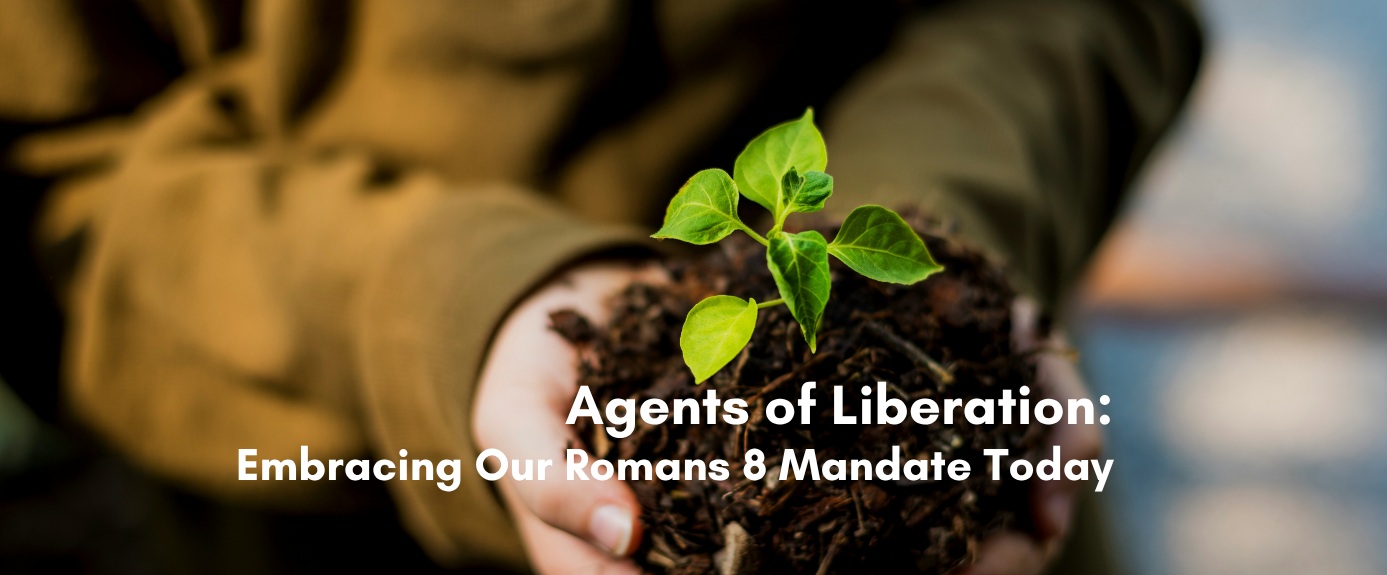
The Transformational Theology: In Romans 8, creation is described as “groaning” in bondage to decay, waiting for liberation. When humans clean a polluted space or restore an ecosystem, we act as agents of liberation. A restored plot of land is a physical trailer for a coming feature film.
4. The Defence Against Eco-Injustice
The Principle: Human oppression and environmental degradation stem from the exact same sin: the desire to violently exploit something for selfish gain. True creation care is inseparable from human justice.
Actionable Directives:
- Combat Environmental Racism: Actively oppose the placement of toxic landfills, chemical plants, and heavy-polluting industries near low-income areas or marginalised communities.
- Advocate for Equitable Green Space: Demand that local governments invest equally in tree canopies and parks across all neighbourhoods, reducing the deadly urban heat-island effect in vulnerable sectors.
- Protect Resource Access: Ensure that clean, unpolluted drinking water and fresh, nutritious food remain a public, protected right for all local citizens rather than a privatised commodity.
The Transformational Theology: Because the final kingdom features a perfectly just society living in a perfectly healed cosmos, we cannot separate the two today. Defending the physical land requires defending the vulnerable image-bearers who live upon it from systemic violence.
5. Reclaiming the Liturgy of Delight
The Principle: Non-human creation does not exist solely to serve human utility or entertainment. Nature possesses its own inherent value and its own direct relationship with the Creator.
Actionable Directives:
- Practice Active Contemplation: Spend intentional, silent time immersed in wilderness areas without a desire to harvest, consume, or exploit it for entertainment.
- Cultivate Ecological Literacy: Learn the names, behaviours, and seasonal rhythms of the trees, birds, insects, and mammals that share your local biome.
- Incorporate Nature into Worship: Move community gatherings, educational events, and reflections outdoors to directly experience the environment as an active participant in praise.
The Transformational Theology: In the final cosmic order, God does not make all new things, but beautifully makes all things new. By learning to delight in creation for what it inherently is—rather than what it can provide for us economically—we align our hearts with the ultimate joy of the Creator.