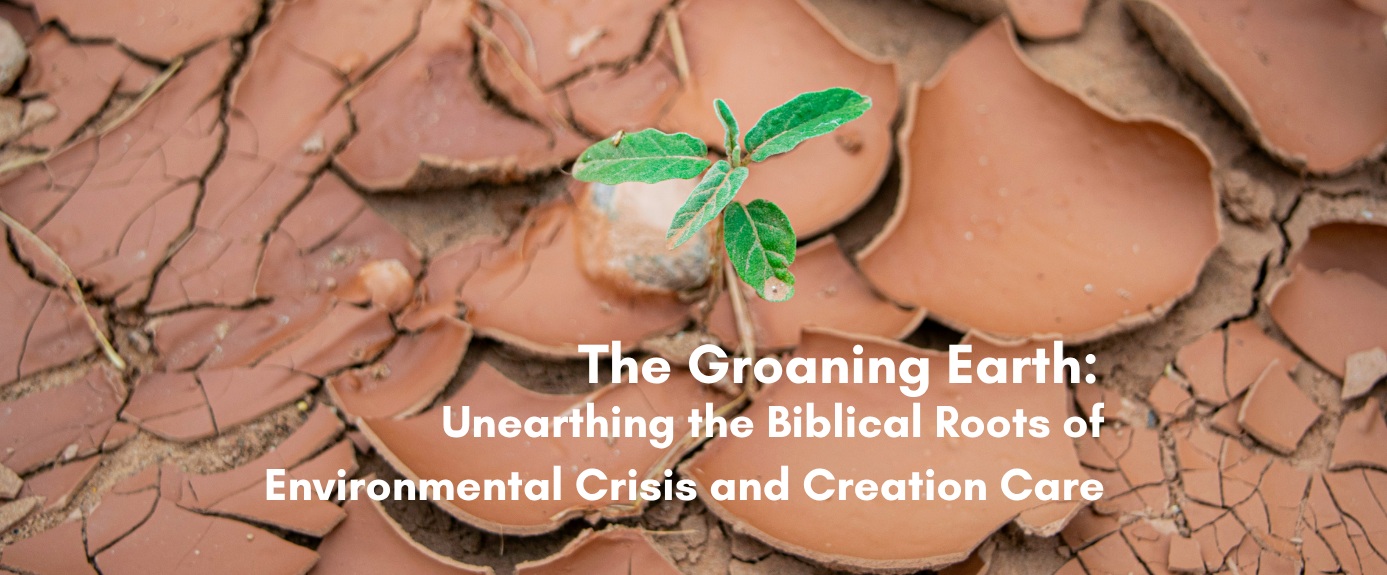
For centuries, the Bible has been read primarily as a roadmap for human salvation and moral conduct. However, as the twenty-first century faces unprecedented ecological upheaval, a growing chorus of theologians, scientists, and historians are turning back to ancient scriptures to answer a modern crisis. While the term “climate change” never appears in the biblical text, the themes of environmental degradation, erratic weather, resource depletion, and ecological stewardship are woven deeply into its narrative fabric. Far from being indifferent to the planet, the Bible presents a profound framework where the health of the earth is inextricably bound to the moral choices of humanity.
The Cosmic Groan: Biblical Prophecy and Modern Climate Parallel
While scripture does not outline industrial global warming or greenhouse gas emissions, its apocalyptic and prophetic literature contains striking parallels to contemporary ecological disruptions.
- Romans 8 — the Apostle Paul captures the systemic strain of the physical universe, writing that the entire creation is “groaning as in the pains of childbirth,” trapped in a state of frustration and bondage to decay.
- Luke 21 — Jesus warns of a future marked by “fearful sights” and the “roaring of the waves,” a visualisation that closely aligns with modern rising sea levels and intensifying oceanic storms.
- Revelation 16 — describes an intense heat where the sun is permitted to “scorch people with fire,” a vivid parallel to escalating global temperatures and heatwaves.
- Revelation 11:18 — transitions this from mere natural disaster to a matter of divine accountability, declaring that God will ultimately step in to “destroy those who destroy the earth.”
The Root of the Rot: Biblical Causes of Degradation
In the biblical worldview, environmental decay is never an accidental byproduct of nature; it is a direct consequence of human failure. Scripture identifies several distinct human behaviours that trigger ecological collapse:
Moral Disobedience
The prophets consistently link human faithlessness to the collapse of ecosystems. Hosea 4 warns that when truth and the acknowledgment of God vanish, “the land dries up, and all who live in it waste away; the beasts of the field, the birds of the sky and the fish of the sea are swept away.” Isaiah 24 echoes this, stating that the earth is “defiled by its people” who have broken everlasting covenants, causing a curse to consume the earth.
Violence and Bloodshed
Scripture teaches that human brutality physically pollutes the environment. In Genesis, after the world’s first murder, God informs Cain that the very ground will no longer yield its strength to him because it was forced to drink his brother’s blood. Numbers 35:33 explicitly codifies this law, stating plainly that “bloodshed pollutes the land.”
Greed and Overexploitation
The Bible condemns unbridled consumerism and the monopolisation of natural resources. Isaiah 5:8 pronounces a woe upon those who “add house to house and join field to field till no space is left,” targeting the exact type of overdevelopment and urban sprawl that fractures modern ecosystems.
Idolatry and Injustice
Turning away from divine law to chase false gods or exploit the vulnerable is repeatedly met with agricultural failure. In Deuteronomy 11, God warns that spiritual deviation will result in the shutting of the heavens, cutting off rain and causing the ground to fail in its harvest.
Ancient Guidelines: Old Testament Conservation Laws
Long before modern conservation movements existed, the Old Testament legal code—the Torah—mandated practical boundaries to ensure sustainability and prevent the exhaustion of the natural world.
The most prominent of these is the Land Sabbath found in Leviticus 25. Farmers were commanded to let their fields, vineyards, and olive groves rest completely every seventh year. This ancient practice allowed the soil to naturally replenish its nutrients, prevented agricultural desertification, and ensured that wild animals could freely forage on the fallow growth.
Even in the extreme chaos of warfare, scripture placed limits on ecological destruction. Deuteronomy 20 forbade invading armies from cutting down fruit-bearing trees for siege works, asking the piercing question, “Are the trees of the field human beings, that you should besiege them?” Additionally, Deuteronomy 22 outlined early wildlife conservation, stating that if a person encountered a bird’s nest, they could harvest the eggs but were strictly ordered to release the mother bird. This legally preserved the breeding population, ensuring the species would endure for future generations.
From Domination to Stewardship: Modern Theological Applications
For generations, a misinterpretation of the Genesis mandate to have “dominion” over the earth led to a philosophy of reckless exploitation. However, modern theologians are reclaiming the original Hebrew context. In Genesis 2:15, humanity is placed in the garden to avad (serve) and shamar (guard/protect). Dominion, therefore, is redefined not as tyrannical destruction, but as benevolent, sacrificial stewardship.
This scriptural foundation has sparked a vibrant, global “Creation Care” movement.
- Scholars like Dr. Ellen Davis highlight that because environmental degradation hits marginalised communities the hardest, failing to protect the ecosystem is a direct violation of the biblical command to love one’s neighbour.
- Organisations like the Evangelical Environmental Network argue that because God declared the physical world “very good” at creation, polluting it is an act of rebellion against the Creator.
- Leaders like Pope Francis, through his landmark encyclical Laudato si’, have fiercely critiqued irresponsible corporate development and called humanity to an “ecological conversion.”
- Ecumenical Patriarch Bartholomew of the Eastern Orthodox Church has reframed the conversation entirely for the modern believer, famously declaring that committing crimes against the natural world, polluting our waters, and destroying biodiversity are not just political blunders—they are sins.
Conclusion
The Bible presents a universe where the spiritual, the moral, and the ecological are profoundly intertwined. It frames the environmental crises of today not as isolated scientific anomalies, but as the visible symptoms of a broken relationship between humanity, the creation, and the Creator. Ultimately, scripture challenges humanity to look at the groaning earth not as a collection of resources to be conquered and consumed, but as a sacred trust to be guarded, served, and healed.
Further reading
-
Escape or Stewardship? Why the Pop-Rapture Worldview Fails the Earth Discover why the Rapture doctrine is a 19th-century invention that misreads Scripture—and why Creation Care is the true biblical call.
-
Jesus and the Natural World: A Biblical Call to Creation Care How did Jesus view nature? Explore His teachings on birds, lilies, and seeds, revealing a biblical mandate for creation care today
- Cosmic Rebirth Resource Pack