For centuries, the Bible has been read primarily as a roadmap for human salvation and moral conduct. However, as the twenty-first century faces unprecedented ecological upheaval, a growing chorus of theologians, scientists, and historians are turning back to ancient scriptures to answer a modern crisis. While the term “climate change” […]
Blog
56 posts
In the Gospel of Matthew, Jesus frequently upends human expectations regarding power, wealth, and status. One of His most profound theological declarations occurs in Matthew 19:28, a verse that bridges the immediate concerns of His disciples with the grand, cosmic climax of salvation history. Prompted by Peter’s blunt question regarding […]
The tension between biblical passages describing a cataclysmic end of the world and those declaring the structural permanence of the Earth has challenged theologians for centuries. While popular apocalyptic narratives emphasise a future global annihilation, a profound thread of scripture weaves a radically different narrative: that God has made binding, […]
The theme of renewal is the heartbeat of the biblical narrative. From the opening pages of Genesis to the final visions of Revelation, Scripture reveals a God who is not passive about decay, sin, or destruction. Instead, He actively works to make “all things new.” This renewal is not merely […]

2 Peter 3 is the absolute epicentre of the debate regarding the future of the physical Earth. Rapture proponents and dispensationalists rely heavily on this chapter to argue that the physical universe will be completely vaporised, obliterated, and replaced with a totally different reality. They use verses like 2 Peter […]
The contemporary climate crisis has prompted many religious communities to re-examine their foundational texts for ecological guidance. Within Christianity, the words and actions of Jesus Christ serve as the ultimate authority for faith and practice. While Jesus did not speak in modern scientific terms about ecology, carbon footprints, or biodiversity […]
For nearly two centuries, a specific theological narrative has gripped a massive cross-section of modern Western Christianity: the pre-tribulation Rapture. Popularised by nineteenth-century theologian John Nelson Darby and catapulted into late-twentieth-century pop culture via books like Left Behind, this worldview insists that true believers will be secretly evacuated from Earth […]
The Creation Care movement is a thriving theological and social movement within Christianity—including evangelical, Protestant, Catholic, and Orthodox traditions—that directly pushes back against Rapture fatalism. Instead of treating the Earth as a disposable “burning house,” Creation Care argues that environmental stewardship is a fundamental Christian duty commanded by God from […]

In September 2025, the Department of Conservation (DOC) launched Always Be Naturing, a transformative multi-year campaign designed to redefine New Zealand’s relationship with its environment. This movement goes beyond traditional “look but don’t touch” conservation, urging New Zealanders to view nature as a vital system that underpins their identity, economy, and […]
In the eighth chapter of his letter to the Romans, the Apostle Paul paints one of the most vivid and sweeping pictures of cosmic redemption in all of scripture. He describes a creation that is not a passive, disposable backdrop for human salvation, but an active participant in the grand […]
We categorically reject the theological illusion that the physical universe is a temporary, disposable stage destined for total annihilation. For too long, the toxic rhetoric of a “doomsday escape” has excused the pillaging of our planet. We affirm that the Earth is not a sinking ship from which humanity needs […]
Annihilation or Transformation? The Historical Theological Debate Christian history has long wrestled with how literally to interpret the transition from the old earth to the new. This has solidified into two primary camps: Annihilation (Re-creation) and Transformation (Renovation). Theological Position Core Premise Key Scriptural Defence Historical Proponents Annihilation (Creatio ex […]
The question of whether our current efforts to heal and restore the natural order will be carried over into the New Earth touches on one of the most profound debates in theology. Scripture does not provide an explicit, technical blueprint detailing the fate of specific human projects. However, a strong […]
The concept of the “New Earth” is the ultimate climax of the Christian story. It shows that God does not plan to destroy His creation, but to fix it completely. Many people view heaven as an ethereal, cloud-filled place where spirits float around, but the biblical writers depict a highly […]
The Bible describes the renewal of the cosmos not as a total annihilation and replacement, but as a radical transformation and restoration of the current creation to its intended, “very good” state, free from sin and its effects. This process is central to biblical eschatology (the study of final events) and is […]
Human history is a long, winding book full of dark chapters. It is a tale of wars, tears, and broken promises. To many, it looks like a story spinning out of control. But for those who know the ancient promise, the final page is already written. The story of this […]
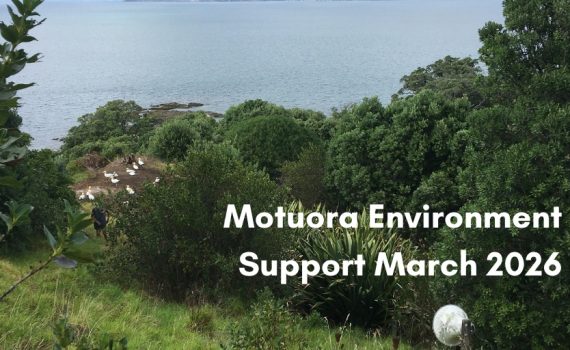
A team of six joined the Motuora Restoration Society (MRS) on their monthly trip from Sandspit to Motuora Island, situated south of Kawau Island. The MRS vision is to create a sustainable environment with native bush and a variety of wildlife. Baby Kiwis are raised on the island, and many […]
The Bible offers a comprehensive and profound perspective on the environment, providing a theological framework that mandates human responsibility toward the natural world. This view moves far beyond simply using nature for human benefit, instead casting humanity as stewards of God’s creation, accountable for its health and flourishing. From the […]
The depiction of the “Earth” in the Bible is far more than a mere physical backdrop for human history; it is a central theological character in the unfolding drama of creation, fall, and redemption. The biblical text presents the Earth not as a lifeless commodity, but as a living theatre […]
The Bible teaches that humanity has a clear responsibility to care for and protect the environment as an act of obedience and worship to God, the Creator and owner of all things. This responsibility is described through several key concepts: Stewardship (Caretakership): The Earth belongs to God, and humans are appointed as […]
The new creation (Greek: καινὴ κτίσις) is a concept found in the Old Testament and New Testament. The concept is presented in two ways. On the one hand it refers to the personal spiritual transformation of individual believers in the present age, specifically relating to the new life (ἐν καινότητι ζωῆς) and new nature gained via spiritual rebirth through […]
The Bible presents a rich and multi-faceted view of nature, depicting it not as an impersonal resource or an independent deity, but as God’s deliberate creation, imbued with intrinsic value and purpose. This perspective frames humanity’s relationship with the natural world as one of interdependence, responsibility, and reverent appreciation. […]
The Bible does not mention the modern scientific phenomenon of “global warming” explicitly; the language, science, and specific concerns of contemporary climate change were unknown to its ancient authors. Instead, the Bible offers a framework of theological and ethical principles that Christian individuals and denominations apply in diverse ways to […]
The Bible, a foundational text for billions of Christians, was written millennia before the modern concept of anthropogenic climate change emerged. Consequently, it contains no explicit mention of greenhouse gases, fossil fuels, or climate models. Yet, within its narratives and teachings, readers find a rich source of theological principles that […]